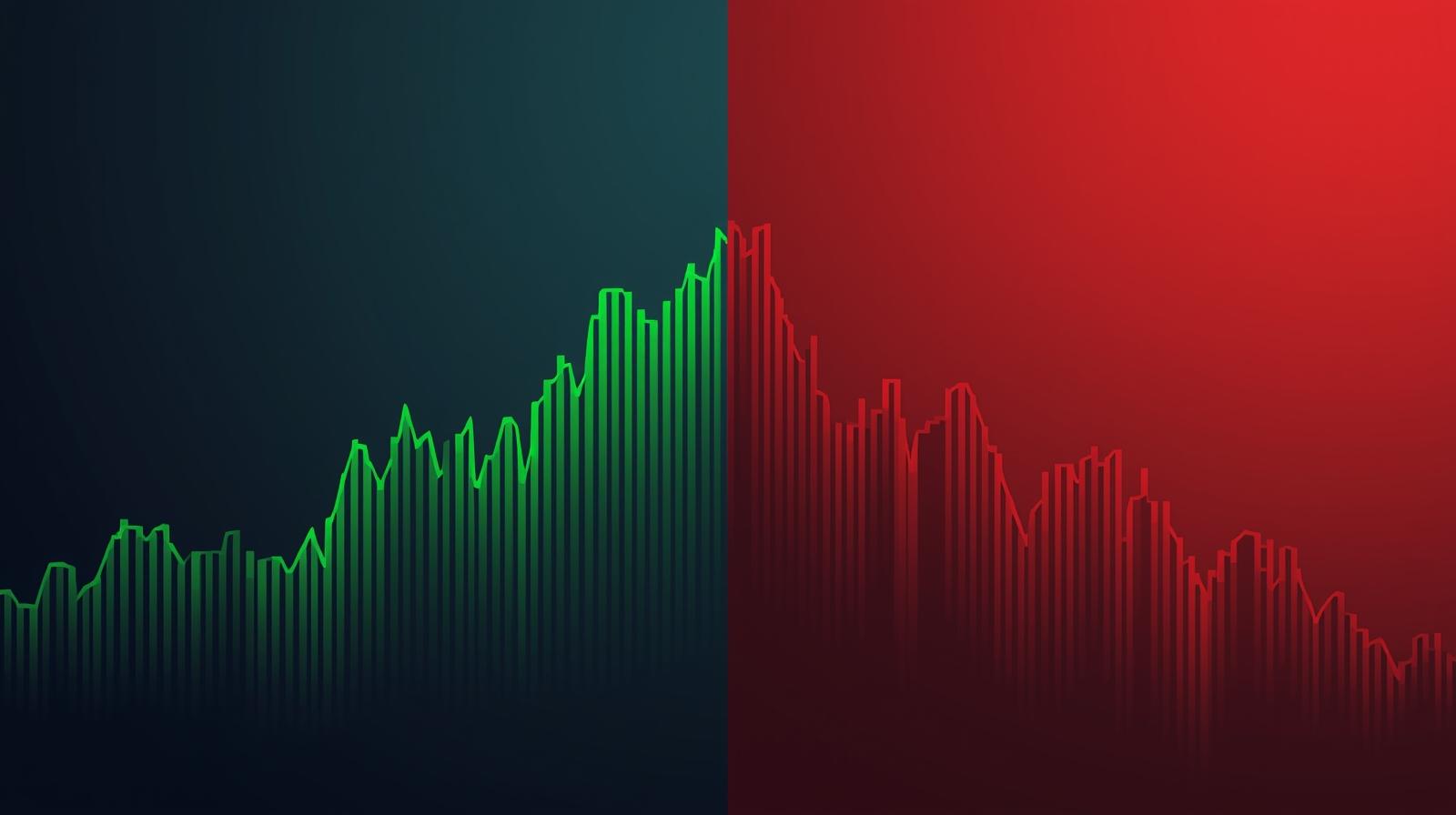
If you’ve watched the markets lately, you’ve seen a strange split: Nvidia and Tesla staging double-digit rallies, while the Nasdaq remains down roughly 8–12% from its all-time high. Tech is simultaneously leading the market and lagging it. Understanding this paradox—and the concentration risk behind it—can help you make better investment decisions.
The Rally No One Saw Coming (and the One Everyone Expected)
In mid-March 2025, better-than-expected inflation data sparked a sharp rebound. Tesla surged nearly 12% in a single session—its biggest gain since early November—while Nvidia jumped about 6%. Meta, Palantir, and other AI favorites also rallied hard. The S&P 500 climbed to two-week highs, with the Nasdaq gaining around 2%.
Yet the context matters: Investopedia reported that “AI stocks have been hit particularly hard in recent weeks by President Trump’s tariff policies and the economic uncertainty they’ve engendered.” The Magnificent Seven entered a technical correction in late February as worries mounted about AI competition from China, overspending on AI infrastructure, and slowing growth at Nvidia. So the rally was partly a bounce from oversold levels—not a full restoration of confidence.
When a Few Stocks Move the Whole Market
The Magnificent Seven—Apple, Nvidia, Microsoft, Meta, Amazon, Alphabet, and Tesla—have achieved extraordinary market concentration. Their combined market cap exceeds $22 trillion, and the top 10 U.S. stocks now represent around 35% of the overall market—nearly double the level from a decade ago. As Morningstar notes, “The market is all in on the Magnificent Seven.”
That creates a structural problem: when these stocks rise, the indices soar; when they fall, the indices tank. Your broad-market index fund may feel diversified, but it’s increasingly a bet on a handful of tech giants.
The Analyst Take: Strong Earnings, Muted Reactions
Nvidia’s latest results were historic—Q4 revenue of $68.1 billion, up 73% year-over-year, with guidance of $78 billion for Q1. CEO Jensen Huang said customers are “racing to invest in AI” and that demand is “growing exponentially.” Bank of America and others have raised price targets, with some predicting Nvidia could jump more than 50% from current levels.
And yet, after the earnings report, Nvidia’s stock gained only around 0.5%—muted compared to past blowouts. As Investopedia put it, “Nvidia’s business is booming but its stock is lagging. What gives?” The answer: the stock has already tripled over three years. Many analysts see limited upside from here, even as fundamentals remain strong.
What Investors Are Saying Online
On Reddit and tech forums, sentiment is split. In r/NVDA_Stock, some predicted the stock would “drop 6–8% post-earnings regardless of results,” while others debated whether $175 or $280 was a realistic target. The UBS raise to $245 brought optimism, but skepticism remains: “The stock has already priced in a lot of the AI narrative.”
On AnandTech and other forums, investors noted that Nvidia’s networking division could eventually outsell all Intel products combined—a staggering shift. Yet the question keeps coming back: how much of that is already in the price?
Concentration Risk: What It Means for You
One analyst framed it bluntly in a Morningstar piece: “If we’ve got more than a third of our market caps generated all on one sector… that’s a huge bet, particularly now on AI. So great, if it works… but if it doesn’t work, then we’ve got the potential to lose a lot of money.”
Portfolios tracking broad benchmarks have experienced decreased diversification and increased risk. The current environment is being compared to the dot-com era in terms of concentration. Wall Street still expects the Magnificent Seven to outperform in 2025—with Big Tech earnings growing at roughly double the rate of the rest of the S&P 500—but earnings growth is expected to slow from 40% in 2024 to about 17% in 2025.
Practical Takeaways
- Don’t confuse a single rally with a new bull market. Bounces from oversold levels are normal; the underlying tariff and growth uncertainties haven’t vanished.
- Check your concentration. If a big chunk of your portfolio is in S&P 500 or Nasdaq index funds, you’re more exposed to a handful of tech names than you might think.
- Consider broader diversification. Nasdaq has highlighted ETFs and strategies designed to reduce Magnificent Seven concentration risk.
- Earnings vs. rates: Tech is caught between strong earnings (supportive) and higher-for-longer rates (a headwind for valuations). Both matter.
Bottom Line
Tech stocks are leading and lagging at once because the market is bifurcated: a few megacaps drive the indices, while the broader market wrestles with tariffs, rate uncertainty, and valuation concerns. The rally in Nvidia and Tesla is real—but so is the drawdown from the peaks and the concentration risk that comes with it. Understanding that paradox can help you position your portfolio more deliberately.
Leave a Reply