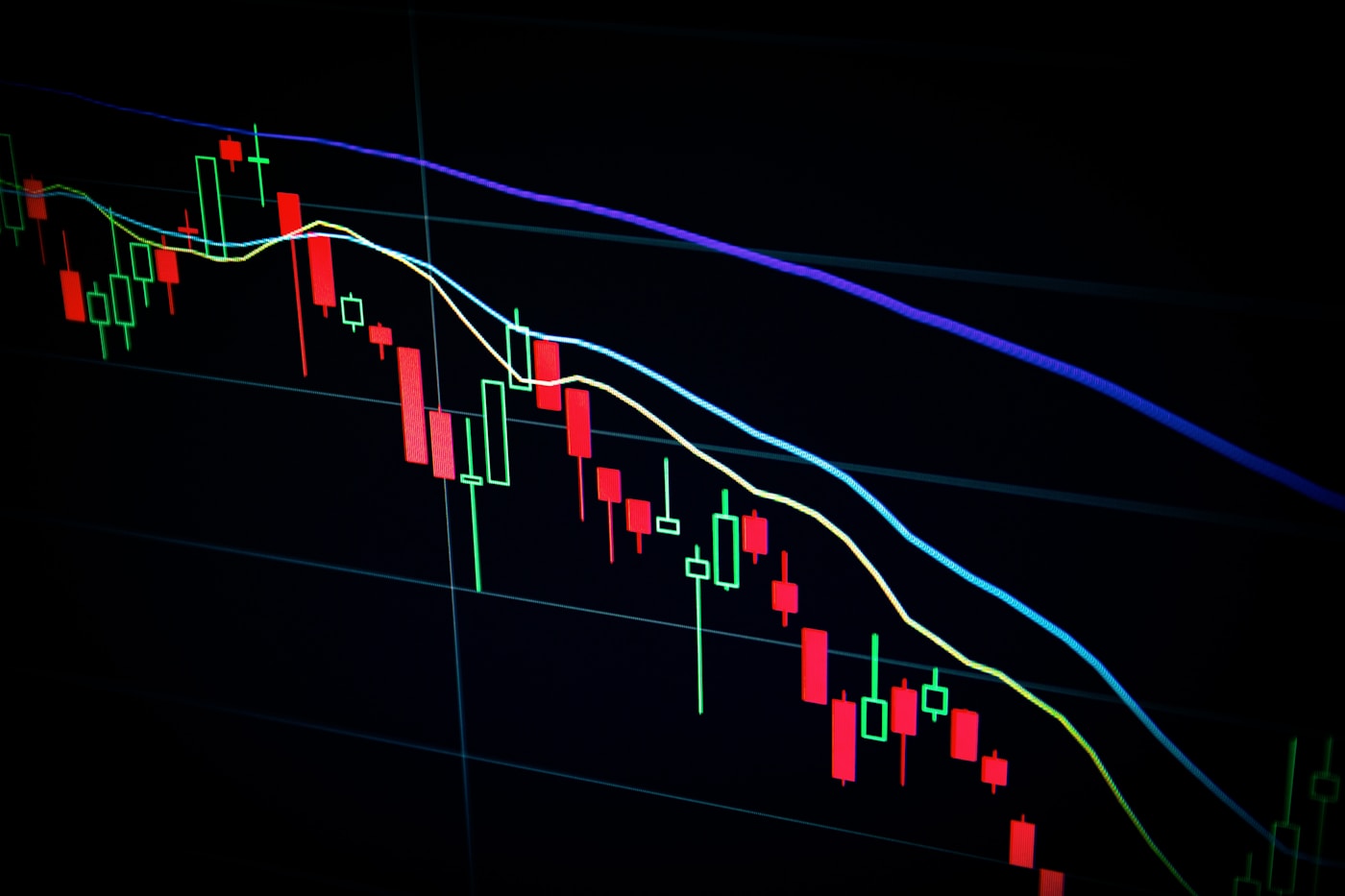
“What should I buy after the headlines?” That question spikes whenever oil jumps, gold breaks records, and equity indices swing on geopolitical risk. This piece maps the largest investable themes that have come into focus after recent global shocks—without pretending anyone can time the next headline.

What changed—and why markets care
When conflict, sanctions risk, or energy disruption dominate the news cycle, markets typically reprice three things at once: risk appetite, inflation expectations, and the cost of capital. That combination pushes capital toward cash-like safety, hard assets, and businesses with pricing power—while punishing stretched valuations in the most rate-sensitive corners of the market.
Goldman Sachs CEO David Solomon told Reuters that it may take “a couple of weeks” for investors to fully digest the implications of major geopolitical shocks—an important reminder that first-week price action is often noise layered on top of real risk.
— Reuters, March 2026
Separately, as investors de-risked during acute uncertainty, Reuters coverage captured the tone of the moment: flows into cash and money-market vehicles surged while equities faced heavy outflows—classic “pause first, re-allocate second” behaviour.
Six big opportunity buckets (themes, not tickers)
Below are structural themes that tend to attract attention after geopolitical and energy shocks. They are starting points for research—not a shopping list.
1) Energy producers and oil-services leverage. When crude risk premia rise, markets often reward cash-generative producers, integrated oils, and select services names—especially where balance sheets are strong enough to survive volatility if prices mean-revert.
2) Gold and precious-metals complex. Central-bank demand, safe-haven flows, and real-rate dynamics have kept bullion in the spotlight. In tactical asset-allocation debates, strategists have highlighted a simple contrast: commodities can respond quickly to shocks, while gold often features in longer-horizon hedging discussions. (Media summaries of Bank of America research have characterized one framing as favouring tactical oil exposure alongside strategic gold allocation—wording varies by outlet; treat it as a hypothesis to verify against your own mandate.)
3) Defence and aerospace. Escalation risk refocuses government spending narratives. Defence primes and suppliers can rerate when order visibility improves—though policy shifts, budget politics, and single-name execution risk remain large.
4) “Quality” equities and US-heavy large caps. In periods when global investors seek dollar liquidity and earnings resilience, megacap platforms and balance-sheet-strong incumbents often outperform—until concentration risk becomes its own problem.
5) Power, grids, and energy-transition infrastructure. Oil shocks don’t automatically accelerate every renewable project, but they do sharpen the political case for diversified supply and reliable electricity. For a cleaner-energy angle on the same macro story, see Norisma’s explainer on oil crises and the renewable industry.
6) Cash, short duration, and selective EM. When uncertainty is high, incremental return of capital and liquidity flexibility matter. Some investors use cash as optionality; others barbell into selective emerging markets only where fundamentals diverge positively from the headline risk.
State Street’s Michael Arone described the environment as “a classic response to an event that has a lot of uncertainty.”
— Reuters, March 2026
How this connects to the stock market (the mechanics)
Geopolitical shocks transmit through equities via earnings (cost pressures), risk premia (multiple compression), and sector rotation (energy vs. discretionary). For a durable primer on how crude interacts with broader indices, read Investopedia’s explainer on oil prices and the stock market. For a conflict-specific playbook we published earlier, see what investors were watching around the 2026 Middle East shock.
What online forums get right—and where they go wrong
Retail-heavy discussion boards often oscillate between two extremes after a shock: panic selling everything, or YOLO-ing the headline trade (usually the hottest ETF of the week). The more useful middle path—repeatedly echoed in calmer threads—is to separate liquidity (do you have a cushion?) from exposure (are you diversified enough?) and horizon (is this a three-week trade or a three-year allocation?).
Another common forum theme is worth keeping: correlation breakdowns. In stressed windows, assets that “should” diversify sometimes move together; that doesn’t mean diversification failed forever—it means stress episodes are messy.
Risks, humility, and a practical checklist
The biggest mistake after geopolitical volatility is confusing a narrative with a guaranteed outcome. Energy can spike—and then fade. Gold can rally—and then chop. Defence can rerate—and then mean-revert on de-escalation headlines.
A boring checklist still works: rebalance to policy, avoid leverage you can’t explain, keep an emergency fund separate from “theme bets,” and size thematic trades as satellite positions—not the core portfolio.
Disclosure: Educational commentary only—not investment advice. Past performance is not indicative of future results.
Leave a Reply