When crude oil markets convulse—whether from conflict, embargoes, or coordinated emergency releases—politicians, utilities, and investors all revisit the same question: does an oil crisis help or hurt the renewable energy industry? The honest answer is “both,” depending on whether you’re measuring policy urgency, project economics, or short-term stock prices.
Why oil shocks suddenly put “energy security” back on page one
Oil crises do not automatically install new wind turbines—but they can rapidly change the political economy of energy. When gasoline and diesel costs jump, governments face pressure to diversify supply, protect consumers, and reduce exposure to volatile crude markets. In parallel, electrification (EVs, heat pumps, industrial loads) links oil volatility more tightly to electricity planning than it did a decade ago.
“When we look at the history of the energy world in recent decades, there is no other time when energy security tensions have applied to so many fuels and technologies at once – a situation that calls for the same spirit and focus that governments showed when they created the IEA after the 1973 oil shock.”
— Fatih Birol, IEA Executive Director (World Energy Outlook commentary, 2025)
The International Energy Agency’s Renewables 2025 analysis underscores how much of the next decade’s clean-power growth depends on policy execution—not just panel and turbine costs. That matters for interpreting headlines: an oil spike can increase ambition while still leaving projects constrained by permits, grids, and critical minerals.
What an oil crisis changes for renewables (the practical channel list)
1) Demand signals. Higher oil prices can make electrification and renewable PPAs look comparatively attractive—especially for countries that import large shares of crude and refined products.
2) Fiscal and industrial spillovers. Renewables build-outs rely on steel, shipping, and construction inputs. If diesel and logistics inflate, developers may face higher balance-of-system costs even when the long-run LCOE story remains favourable.
3) Capital markets. Clean energy equities do not always behave like “inverse oil” trades. Empirical work finds relationships can be time-varying; one peer-reviewed study summarises evidence that oil price volatility does not always map cleanly onto renewable stock returns (see Sciendo / academic analysis—useful context, not a trading signal).
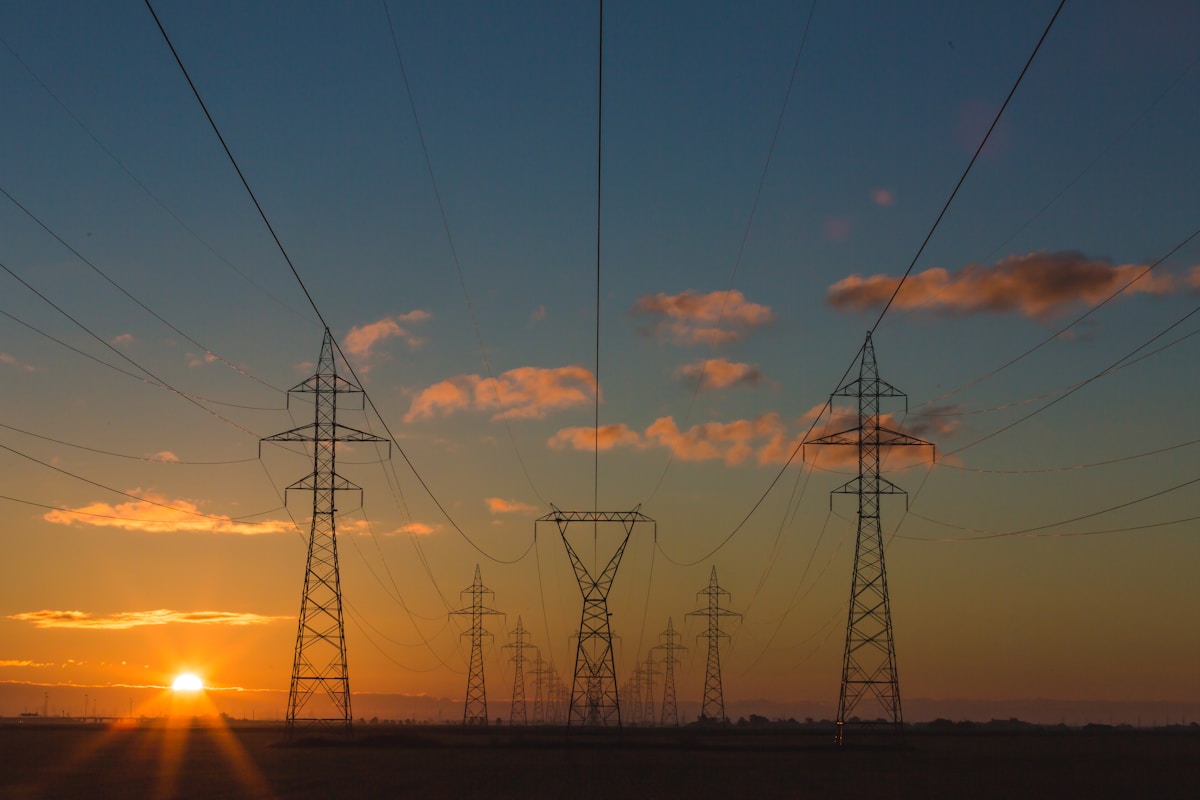
4) Grid and integration risk. The IEA has repeatedly flagged that generation investment can outrun transmission and flexibility. In an oil shock, the “solution” still has to move through planning offices and interconnection queues.
“Analysis in the World Energy Outlook has been highlighting for many years the growing role of electricity in economies around the world… it’s clear today that it has already arrived.”
— Fatih Birol, IEA (World Energy Outlook 2025 commentary)
How this connects to the stock market (and why the relationship isn’t simple)
For equity investors, the key is to separate macro channels from sector fundamentals. Oil can influence risk appetite, inflation expectations, currencies, and transport costs—while clean-energy stocks also remain sensitive to interest rates, subsidy schedules, manufacturing margins, and idiosyncratic news (tariffs, sanctions, project delays).
For a plain-English explainer on how oil interacts with broader equities, see Investopedia’s overview of oil prices and the stock market. For a conflict-driven market lens that sits in the same neighbourhood as energy shocks, you may also find our earlier note useful: Iran–US conflict: what investors were watching in 2026.
Reporting on emergency stock releases, Reuters quoted the IEA Executive Director stating the action had a “strong impact” on markets during an extremely sensitive period—illustrating how policy responses to oil disruptions can move sentiment quickly.
— Reuters (March 2026)
What people are debating in public forums (useful sentiment—not advice)
Online energy and investing threads often highlight two competing narratives—both contain grains of truth, and neither replaces due diligence:
- “Oil pain speeds the transition.” Commenters frequently argue that supply scares push policymakers toward domestic clean power and electrification—especially when import bills worsen terms of trade for oil-importing regions.
- “Oil pain complicates the transition.” Other contributors stress that renewables deployment is capital-intensive and logistics-heavy; short-term inflation in fuel and materials can tighten project finance conditions and delay construction schedules.
If you treat these threads as sentiment gauges—not forecasts—they can still be informative: they show where retail attention clusters (grid bottlenecks, IRA-style incentives, offshore wind delays, solar manufacturing gluts) when headlines turn hot.
Bottom line
An oil crisis rarely “solves” renewables overnight—but it can sharpen incentives for diversification, accelerate certain policies, and force harder conversations about grids, storage, and supply chains. For investors, the actionable idea is to track policy, rates, and project delivery alongside crude: the renewable industry’s trajectory is increasingly decided in transmission planning rooms as much as in oil futures markets.
Disclosure: Educational commentary only—not investment advice.
Leave a Reply